
Payment System Integration
Disbursement controls are only as strong as the systems that support them, and how well those systems work together.
Accounts payable (AP) and finance teams don’t operate in a vacuum. They rely on enterprise resource planning (ERP) systems to manage transactions, banking platforms to execute payments, vendor systems to manage data, and a growing ecosystem of automation tools to improve efficiency. Yet in many organizations, these systems remain loosely connected, or worse, siloed.
That fragmentation creates risk.
Data gaps, delayed visibility, inconsistent controls, and manual workarounds all weaken the integrity of the disbursement process. And in an era of faster payments, more sophisticated fraud, and increasing regulatory scrutiny, those weaknesses are exactly what bad actors look for.
The solution is integration.
When AP, banking systems, ERPs, and finance technologies are tightly integrated, organizations gain real-time visibility, stronger controls, and a unified view of financial activity. Integration transforms disbursement controls from fragmented checkpoints into a coordinated, end-to-end control framework.
Why Integration Matters for Disbursement Controls
Disbursement controls are not a single step. They span the entire lifecycle:
- Vendor onboarding
- Invoice processing
- Approval workflows
- Payment execution
- Reconciliation and reporting
When systems are disconnected, controls break down between these stages.
Integration ensures that:
- Data flows seamlessly across systems
- Controls are consistently enforced
- Risks are identified earlier
- Actions are taken faster
Without integration, even the best individual controls can fail.
With integration, organizations create a continuous, connected control environment.
The Risks of Disconnected Systems
Many organizations underestimate how much risk exists in the gaps between systems.
Data silos. When vendor, invoice, and payment data reside in separate systems, inconsistencies are inevitable. This leads to duplicate records, outdated information, and conflicting data points. Without a unified view, finance teams struggle to trust the data they rely on. These inconsistencies can easily mask fraudulent or erroneous activity.
Manual workarounds. Disconnected systems often require manual intervention to move data between platforms. This increases the risk of human error and creates opportunities for manipulation. It also slows down processes, reducing efficiency and increasing operational burden. Over time, these workarounds become embedded in processes, making them harder to eliminate.
Delayed visibility. Without real-time integration, finance teams lack timely insight into disbursement activity. This delays detection of anomalies and limits the ability to intervene. By the time issues are identified, the damage may already be done. In fast-moving payment environments, delays equal risk.
Inconsistent Controls. Controls applied in one system may not be carried out to others. This creates gaps where transactions can bypass critical checks. It also leads to inconsistencies in how policies are enforced across the organization. Ultimately, this weakens the overall control framework.
Integrating AP with banking systems. One of the most critical integration points is between AP and banking platforms, where payments are executed and risk is highest. This integration ensures that payment instructions are transmitted securely and accurately, reducing the risk of errors or unauthorized changes. It also enables real-time validation of payment details against bank data, adding an additional layer of protection before funds are released. By creating a direct, automated connection, organizations can eliminate manual handoffs that often introduce delays, inconsistencies, and potential control breakdowns.
What Integration Looks Like
AP-to-bank integration typically includes:
- Secure payment file transmission
- Real-time payment status updates
- Bank account validation
- Positive pay and fraud detection integration
This connection ensures that the transition from approval to execution is controlled and visible. That delivers significant benefits:
Real-time payment visibility. Integrated systems provide immediate insight into payment status. Finance teams can track payments from initiation through settlement. This eliminates uncertainty and improves transparency. It also enables faster response to potential issues.
Stronger fraud controls. Integration allows organizations to apply controls at the point of payment. This includes validating payment details against bank systems and detecting anomalies in real time. It also supports tools like positive pay and account validation. These controls significantly reduce fraud risk.
Faster, More Accurate Processing. Automated integration eliminates manual file uploads and data entry. This reduces errors and accelerates payment cycles. It also ensures consistency across transactions. Over time, this improves both efficiency and reliability.
Improved reconciliation. Bank data can flow directly back into AP and ERP systems. This enables faster and more accurate reconciliation. It also provides a clearer picture of cash position and payment activity. This visibility is essential for both control and reporting.
Integrating AP with ERP systems. While ERPs serve as the system of record, their effectiveness depends on how well they integrate with other systems.
Why ERP Integration Matters
ERP systems rely on external systems for:
- Data validation
- Payment execution
- Advanced analytics
- Vendor management
Without integration, the ERP becomes a bottleneck rather than a control hub.
Key Integration Capabilities
Strong integration isn’t just about connecting systems. It’s about enabling them to operate as a unified control environment. The effectiveness of disbursement controls depends on how well data, workflows, and decisions flow across platforms in real time. Without these capabilities, even well-designed controls can break down between systems. The following integration capabilities are essential for creating a connected, resilient, and intelligent disbursement control framework.
Bi-directional data flow. Data must move seamlessly between ERP and other systems. This ensures that updates in one system are reflected everywhere. It also reduces the risk of discrepancies. Consistent data is essential for strong controls. It also enables systems to stay synchronized without requiring manual intervention or reconciliation. Over time, this synchronization builds trust in the data and reduces the likelihood of errors propagating across the environment.
Real-time updates. Integration enables immediate updates to vendor data, payment status, and transaction details. This improves visibility and reduces lag. It also supports faster decision-making. In a dynamic environment, real-time data is critical. Real-time updates also allow organizations to detect and respond to anomalies as they occur rather than after the fact. This immediacy is especially important in fast-moving payment environments where delays can significantly increase risk.
Workflow synchronization. Approval workflows should align across systems. Integration ensures that approvals in one system trigger actions in another. This reduces duplication and improves efficiency. It also strengthens control enforcement. Additionally, it minimizes the risk of approvals being bypassed due to system disconnects or process gaps. By maintaining alignment, organizations ensure that governance policies are consistently applied throughout the disbursement lifecycle.
Audit trail continuity. Integrated systems create a unified audit trail across the disbursement lifecycle. This improves traceability and supports compliance. It also simplifies audits and investigations. A complete audit trail is a key component of effective controls. It also provides a clear, end-to-end record of decisions and actions taken across systems, which is critical for resolving disputes or investigating anomalies. Over time, this level of transparency strengthens accountability and reinforces confidence in the control environment.
Integrating with other finance systems. Beyond banks and ERPs, AP teams rely on a growing ecosystem of finance technologies, including vendor management, analytics, and fraud detection tools.
When these capabilities are in place, integration becomes a strategic enabler of control. AP and finance teams gain not only better visibility, but also greater confidence in the integrity of their processes and data. Disbursement controls become consistent, continuous, and enforceable across the entire lifecycle. Ultimately, this is what transforms integration from a back-end necessity into a front-line defense against risk.
Why It Matters
Integration matters because it transforms fragmented financial processes into a unified, intelligent system that strengthens visibility, control, and decision-making across the entire disbursement lifecycle.
End-to-end visibility. Integration creates a single, unified view of financial activity. This allows finance teams to see the full lifecycle of a transaction. It also improves decision-making. Visibility is the foundation of control.
Enhanced risk detection. Data from multiple systems can be analyzed together. This enables more sophisticated detection of anomalies and fraud. It also improves accuracy. Cross-system insight is a powerful control tool.
Streamlined operations. Integrated systems reduce duplication and manual work. This improves efficiency and reduces errors. It also frees up staff for higher-value activities. Operational efficiency supports stronger controls.
Scalability. As organizations grow, integrated systems can scale more easily. This ensures that controls remain effective at higher volumes. It also supports future expansion. Scalability is essential for long-term success.
Together, these benefits ensure that as organizations grow and complexity increases, their controls remain strong, responsive, and resilient.
Integration and the Four Pillars of Disbursement Controls
Integration strengthens:
Verify: through real-time vendor validation
Validate: through continuous cross-system checks
Control: through consistent workflow enforcement
Monitor: through real-time visibility and analytics
Integration ensures these pillars operate as a unified framework, not isolated controls.
Practical Considerations for Integration
Successful integration requires a deliberate, disciplined approach that balances speed, security, and scalability. AP and finance leaders must think beyond technology and consider how integration impacts data, processes, and people across the organization. By focusing on the right priorities early, organizations can reduce risk while building a strong foundation for long-term success.
The following considerations provide a practical roadmap for implementing integration in a way that strengthens disbursement controls.
- Start with critical connections. Focus on high-risk integrations like AP-to-bank connections first. These areas deliver immediate value and risk reduction. Early success builds confidence and momentum. It also helps justify further investment. Targeting these integrations first ensures that the most vulnerable points in the disbursement process are addressed early. It also provides a clear foundation for expanding integration efforts to other systems in a structured, strategic way.
- Prioritize security. Integration introduces new data flows that must be secured. Encryption, authentication, and access controls are essential. Security must be embedded into every integration layer. Protecting financial data is non-negotiable. Organizations should also regularly assess and test integration points for vulnerabilities to ensure ongoing protection. A proactive security posture helps prevent breaches and reinforces trust across internal and external stakeholders.
- Ensure data consistency. Standardize data formats and definitions across systems. This improves accuracy and reduces discrepancies. It also enhances analytics capabilities. Consistent data is critical for effective integration. Establishing clear data governance policies ensures that standards are maintained as systems evolve. This consistency enables more reliable reporting and strengthens the overall control of the environment.
- Choose scalable technologies. Select integration solutions that can grow with your organization. This ensures long-term value and flexibility. It also reduces the need for rework. Scalability supports future innovation. Scalable technologies also make it easier to incorporate new systems or capabilities as business needs change. This adaptability ensures that integration efforts continue to deliver value over time.
- Align teams. Integration requires collaboration between finance, IT, and operations. Clear communication and shared objectives are key. This ensures smooth implementation and adoption. It also supports continuous improvement. Cross-functional alignment helps prevent miscommunication and ensures that integration efforts meet both technical and business requirements. Strong collaboration also accelerates problem-solving and drives better outcomes.
When these considerations are addressed thoughtfully, integration becomes a sustainable capability rather than a one-time initiative. Organizations gain not only better system connectivity, but also stronger governance, improved data integrity, and more resilient controls.
Over time, this approach enables finance teams to adapt to change without compromising security or efficiency. Ultimately, it ensures that integration delivers lasting value as both a technological and strategic advantage.
Conclusion
Integration is foundational. Without it, organizations operate with fragmented controls and increased risk. With it, they gain visibility, control, and confidence. For AP and finance leaders, integration is the key to transforming disbursement controls into a modern, intelligent, and resilient framework.
What's Next?

Audit Requirements for AP Controls
Audit is a critical component of effective governance. For accounts payable (AP) and finance leaders, audit plays a central role in ensuring that disbursement controls are not only well-designed but consistently executed and continuously improved. Every payment represents a moment of risk. Without strong audit practices, organizations cannot confidently demonstrate that their controls are working, their processes are compliant, or their financial assets are protected. This article explores aud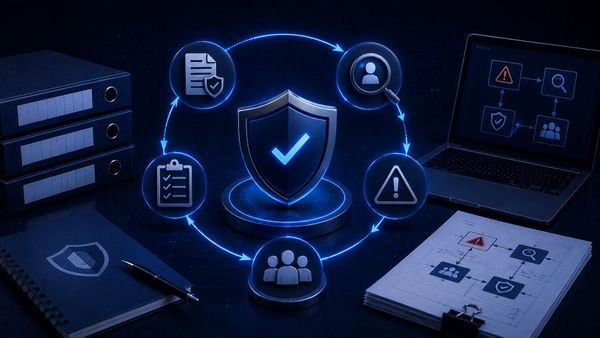
ERP Gaps and Limitations in Payment Controls
Enterprise resource planning (ERP) systems are the backbone of financial operations. They manage invoices, vendors, approvals, and payments. They centralize data and standardize processes. And for many organizations, they represent the single source of truth for financial activity. But when it comes to disbursement controls, there is a growing, and increasingly dangerous, gap between what ERPs were designed to do and what finance leaders need today. That gap is being exploited. Fraud is mo
AI & Automation in Disbursement Control: The New Front Line in Payment Fraud Prevention
The conversation around automation in disbursement control has fundamentally changed. Just a few years ago, automation was primarily about efficiency: reducing manual tasks, accelerating invoice processing, and improving throughput. Today, while those benefits still matter, the real driver behind automation investment is far more urgent: fraud prevention. Payment fraud is a constant, evolving threat. Business email compromise (BEC), vendor impersonation, and payment redirection schemes are
ERP Gaps and Limitations in Payment Controls
Enterprise resource planning (ERP) systems are the backbone of financial operations. They manage invoices, vendors, approvals, and payments. They centralize data and standardize processes. And for many organizations, they represent the single source of truth for financial activity. But when it comes to disbursement controls, there is a growing, and increasingly dangerous, gap between what ERPs were designed to do and what finance leaders need today. That gap is being exploited. Fraud is mo
Continuous Monitoring Systems
For years, accounts payable (AP) controls have been designed around a simple premise: catch issues before or after payments are made. Pre-payment controls aim to prevent fraud and errors. Post-payment audits aim to detect what slipped through. But in today’s environment, where fraud schemes evolve rapidly, payment volumes are rising, and digital channels accelerate transaction speed, that model is no longer sufficient. AP and finance leaders need something more dynamic, more responsive, and m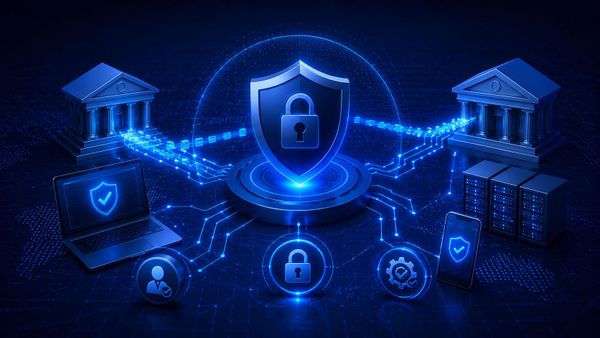
Overview: Technology for Disbursement Control
Disbursement control has evolved far beyond a back-office function. It is now one of the most critical lines of defense against fraud, financial loss, and compliance failure. As electronic payment volumes grow, fraud schemes become more sophisticated, and regulatory expectations increase, manual processes and fragmented systems simply cannot keep up. Technology is foundational in disbursement control. But deploying technology without a clear framework can lead to the same fragmentation and i
Onboarding Controls: Secure Vendor Onboarding
The Onboarding Moment Is a Control Moment Vendor onboarding is the point at which a new payment relationship is established — and it is one of the highest-risk moments in the entire accounts payable lifecycle. It is the moment when vendor identity is either verified or assumed, when banking information is either authenticated or taken on faith, and when the controls either hold or fail. What happens at onboarding sets the risk profile for every payment that follows. Despite this, many organiza
Know Your Business (KYB) Explained
Organizations can no longer afford to treat vendor onboarding as a routine administrative task. The process of verifying who you are doing business with, commonly known as Know Your Business (KYB), has become a foundational control for managing financial risk, ensuring regulatory compliance, and protecting against fraud. For accounts payable (AP), treasury, procurement, and compliance leaders, KYB is more than a regulatory requirement. It is a strategic capability that directly impacts the in