

Disbursement Control Lifecycle: An Overview of Controls by Lifecycle Stage
For many organizations, disbursement controls were once viewed primarily as back-office accounting safeguards. Approval hierarchies, segregation of duties, reconciliations, and payment reviews formed the foundation of financial governance for decades. While these controls remain important, the environment surrounding disbursements has changed dramatically. Today’s organizations operate in a fast-moving, highly digital financial ecosystem. Suppliers are onboarded electronically. Payments move
TIN Matching Requirements
TIN Matching Requirements in Disbursement Controls Accurate vendor data is the foundation of compliant disbursement processes, and at the center of that data is the Taxpayer Identification Number (TIN). Ensuring that vendor TINs are correct, validated, and properly matched to legal names is a regulatory expectation with direct financial implications. For accounts payable (AP), finance, and compliance leaders, TIN matching plays a critical role in meeting Internal Revenue Service (IRS) reporti
OFAC & Sanctions Compliance
Ensuring that funds are not sent to prohibited individuals, entities, or jurisdictions is a fundamental requirement of effective disbursement control. Regulatory scrutiny around sanctions compliance has intensified, and organizations are expected to implement robust, defensible processes to prevent violations. At the center of these requirements is the Office of Foreign Assets Control (OFAC), which administers and enforces U.S. economic and trade sanctions. For accounts payable (AP), treasury
Compliance & Regulations in Disbursement Controls
Disbursement controls are a critical pillar of financial governance, risk management, and regulatory compliance. As payment volumes increase, fraud schemes become more sophisticated, and regulatory expectations continue to evolve, organizations must take a structured and proactive approach to payment compliance. For finance, treasury, and accounts payable leaders, the challenge is clear: ensure that every dollar leaving the organization is authorized, accurate, compliant, and defensible. This
Nacha Rules & ACH Compliance
Nacha Rules & ACH Compliance in Disbursement Controls Automated Clearing House (ACH) payments have become the backbone of modern disbursement operations, but they have also become one of the fastest-growing targets for fraud. As cybercriminals become more sophisticated and payment schemes more difficult to detect, organizations that rely on outdated controls or assume compliance is “good enough” are increasingly at risk. At the same time, Nacha is raising the bar with new fraud monitoring r
Audit Requirements for AP Controls
Audit is a critical component of effective governance. For accounts payable (AP) and finance leaders, audit plays a central role in ensuring that disbursement controls are not only well-designed but consistently executed and continuously improved. Every payment represents a moment of risk. Without strong audit practices, organizations cannot confidently demonstrate that their controls are working, their processes are compliant, or their financial assets are protected. This article explores aud
Payment System Integration
Disbursement controls are only as strong as the systems that support them, and how well those systems work together. Accounts payable (AP) and finance teams don’t operate in a vacuum. They rely on enterprise resource planning (ERP) systems to manage transactions, banking platforms to execute payments, vendor systems to manage data, and a growing ecosystem of automation tools to improve efficiency. Yet in many organizations, these systems remain loosely connected, or worse, siloed. That fragmen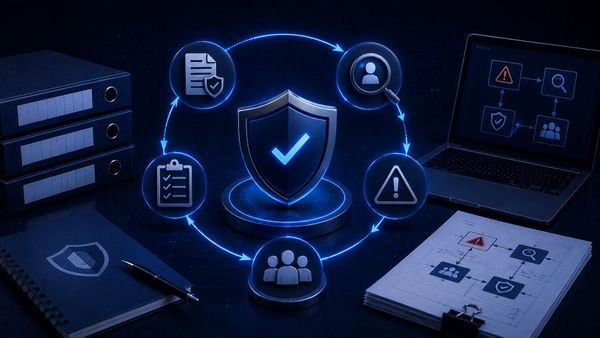
ERP Gaps and Limitations in Payment Controls
Enterprise resource planning (ERP) systems are the backbone of financial operations. They manage invoices, vendors, approvals, and payments. They centralize data and standardize processes. And for many organizations, they represent the single source of truth for financial activity. But when it comes to disbursement controls, there is a growing, and increasingly dangerous, gap between what ERPs were designed to do and what finance leaders need today. That gap is being exploited. Fraud is mo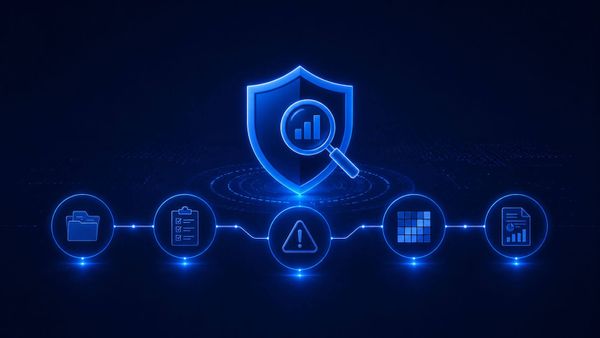
Continuous Monitoring Systems
For years, accounts payable (AP) controls have been designed around a simple premise: catch issues before or after payments are made. Pre-payment controls aim to prevent fraud and errors. Post-payment audits aim to detect what slipped through. But in today’s environment, where fraud schemes evolve rapidly, payment volumes are rising, and digital channels accelerate transaction speed, that model is no longer sufficient. AP and finance leaders need something more dynamic, more responsive, and m
Overview: Technology for Disbursement Control
Disbursement control has evolved far beyond a back-office function. It is now one of the most critical lines of defense against fraud, financial loss, and compliance failure. As electronic payment volumes grow, fraud schemes become more sophisticated, and regulatory expectations increase, manual processes and fragmented systems simply cannot keep up. Technology is foundational in disbursement control. But deploying technology without a clear framework can lead to the same fragmentation and i